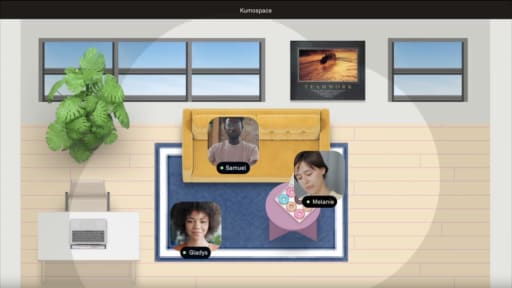
Illustration of a virtual meeting on a computer screen with four participants and a sidebar—symbolizing modern online group chat platforms and digital communities for real-time collaboration and connection in 2026.

Best Free Online Group Chat Rooms: Platforms & Communities for 2026

By Sammi Cox

Finding the right free chat group online can feel overwhelming, especially when dozens of platforms compete for your attention. With so many options, it’s easy to waste time on tools that don’t fit your needs or struggle to keep your community active and engaged. Whether you’re building a gaming community, managing a remote team, hosting a hobby group, or simply looking to meet new people, choosing the right group chat platform can make all the difference in creating a smooth, enjoyable experience for everyone involved.

This article breaks down the best free online group chat rooms available in 2026, offering honest comparisons, step-by-step setup instructions, and practical tips to help you launch, manage, and grow your community efficiently. From evaluating features and accessibility to ensuring your group stays active and safe, this guide provides everything you need to pick the right platform and get your chat up and running quickly.

What Is a Free Online Group Chat Room in 2026?

A free online group chat room in 2026 is a digital space where multiple users communicate in real-time through text, voice, or video without paying subscription fees. Unlike the IRC channels of the 1980s or simple one-on-one direct messages, modern chat rooms combine rich media, organized channels, and interactive features into cohesive community hubs.

Today’s group chat rooms blend text chat with video chat, file sharing, emoji reactions, and sometimes even spatial or virtual environments like Kumospace, where participants move avatars through customizable rooms.

Key characteristics of modern online group chat rooms:

  • Real-time messaging with instant delivery across the globe
  • Support for multiple participants, from small teams to groups with thousands of members
  • Topic-based channels or rooms for organizing conversations by subject
  • Cross-device access via web, mobile apps, and desktop clients
  • Built-in moderation tools including roles, permissions, and content filters
  • Integration with calendars, files, and productivity apps

Most chat room experiences in 2026 occur inside apps like Discord servers, Telegram groups, or Kumospace spaces rather than standalone 1990s-style chat websites. The underlying technology has evolved dramatically, with WebSocket protocols enabling low-latency connections and encryption keeping messages secure.

Top Free Group Chat Platforms & Sites (Feature Overview)

This section compares mainstream apps and classic chat-room style sites that remain actively used in 2026. Each platform offers different features depending on whether you want to build communities, collaborate on projects, or simply talk with strangers.

Kumospace – Virtual rooms with spatial audio and video chat where users move avatars through customizable 2D spaces. Ideal for remote teams, online communities hosting events, and social hangouts. Join via browser link with minimal download required.

Discord – Servers with topic-specific channels, always-on voice rooms, screen sharing, and role-based permissions. Popular for gaming clans, study groups, and creative communities, with 150 million+ monthly active users. Free core features with optional Nitro upgrades. Registration required via email.

Telegram – Large public and private chat rooms supporting up to 200,000 members per group. Features include bots for automation, channels for broadcasts, cloud-based message sync, and secret chats with end-to-end encryption. Join via invite links or public search. Completely free.

WhatsApp Communities – Mobile-first group messaging for family, friends, and local organizations. Groups connect under community umbrellas with announcement channels. Requires phone number registration. Free with no ads.

Slack Free Plan – Threaded conversations, integrations with Google Workspace and other apps, and channel-based organization for teams. Free tier limits chat history to 90 days and restricts some features. Best for project collaboration.

Microsoft Teams Free – 60-minute meetings for up to 100 participants, 5GB storage, and tight integration with Microsoft 365. Good for small businesses and nonprofits. Registration through Microsoft account.

Google Chat – End-to-end encryption, integration with Docs and Calendar, and 60-minute group calls in the free tier. Works well for small organizations already in the Google ecosystem.

Classic Browser-Based Chat Rooms – Sites offering random video and text chat with strangers worldwide. Often function as an Omegle alternative for users seeking anonymous conversations, with some requiring no registration at all.

All of the examples above are actively supported on both desktop and mobile platforms, making it easy to start chatting from anywhere.

Why Choose Free Group Chat Rooms? Key Benefits

Free group chat is essential for students collaborating on projects, hobby communities sharing their interests, small teams bootstrapping startups, and families staying connected across time zones. Here’s why free chat rooms remain a great way to communicate in 2026.

Cost savings – No subscription is needed for basic messaging, voice, and video, and most small groups operate entirely within free tiers without hitting limits.

Accessibility – Web-based options and lightweight apps allow users on older phones or low-bandwidth connections to join easily, with many platforms working directly in the browser.

Flexibility – From casual rooms for talking to random people to structured project channels for remote work, free platforms adapt to your needs.

Community building – Interest-based servers let you find friends with similar interests, and gaming clans, language exchange groups, study communities, and fan clubs all thrive on free platforms.

Collaboration tools – Screen sharing, file uploads for images, PDFs, and slides, and integrated meeting links make free chat rooms suitable for real work.

Enhanced engagement – Platforms like Kumospace add presence and virtual rooms that improve participation compared to plain text, allowing more natural conversations by showing who is “nearby” in a spatial environment.

The best part is that you can experiment with multiple platforms simultaneously until you find the one that fits your community style.

Kumospace: Spatial Group Chat & Virtual Rooms for Free

Kumospace is a browser-based virtual space where users move around a 2D map with live video and spatial audio. Unlike traditional flat video grids, conversations happen naturally as people cluster in corners, approach each other, or gather in designated areas.

Free plan basics:

  • Small teams and communities can create virtual spaces at no cost
  • Host group chats, recurring meetups, and informal hangouts
  • Supports dozens of participants without lag via WebRTC technology
  • Verify current limits at kumospace.com as participant caps may vary by plan

Core features:

  • Persistent rooms that stay accessible between sessions
  • Text chat, video chat, and screen share built into every space
  • Broadcast zones for announcements or presentations to the entire room
  • Custom layouts including office designs, lounges, classrooms, and event halls
  • Calendar integrations for scheduling and meeting links

Use cases:

  • Remote teams holding daily standups in a virtual office
  • Online coworking groups that want ambient awareness of who is around
  • Virtual clubs and student organizations hosting weekly meetups
  • Online classrooms with breakout areas for small group work
  • Casual after-work hangout rooms for distributed teams

How Kumospace compares to flat chat rooms:

  • More natural conversations emerge when people cluster rather than sit in a grid
  • Easier networking at virtual events since you can visually “approach” someone
  • Visual cues show who is nearby and available to talk
  • Creates serendipitous interactions similar to physical spaces

Ease of access:

  • Join via link in Chrome, Edge, or other modern browsers
  • No heavy download required for basic functionality
  • Basic mobile support available
  • Guest access possible for many spaces

Test Kumospace alongside text-only group chat apps to see which vibe fits your community best. For teams that miss the spontaneous hallway conversations of physical offices, spatial chat can be a fun alternative.

Free vs. Paid Group Chat: What You Actually Get for $0

Many chat platforms operate on “freemium” models with both free and paid tiers. Understanding what you actually get for zero dollars helps you decide whether upgrading makes sense for your community.

Common free-tier limitations:

  • Message history caps (e.g., Slack’s 90-day limit or 10,000 messages)
  • Storage limits for files, videos, and images
  • Fewer admin and moderation tools
  • Participant caps for video calls or events
  • Limited customization options

What’s usually included for free in 2026:

  • Unlimited text messaging in most platforms
  • Basic voice and video calls with reasonable participant limits
  • File sharing within size restrictions
  • Simple moderation features like muting and banning
  • Mobile and desktop apps

When free tiers are enough:

  • School clubs and study groups under 50 members
  • Gaming servers focused on coordination
  • Small nonprofits and volunteer organizations
  • Early-stage startups with fewer than 10 team members
  • Family and friend groups for casual chat

When upgrading is worth it:

  • Larger companies needing compliance, SSO, or audit logs
  • Communities requiring advanced moderation at scale
  • Event hosts needing higher participant caps for webinars
  • Teams wanting longer chat history retention

Kumospace’s free tier vs. typical chat apps:

  • Virtual event hosting included with participant limits
  • Basic room customization available; advanced layouts likely reserved for paid tiers
  • Analytics and detailed reporting typically require upgrades
  • Core spatial audio and video features work without payment

For most personal and small community uses, free tiers provide everything you need. Upgrade decisions usually come down to scale, compliance, or advanced features.

How to Start a Free Online Group Chat Room Step-by-Step

These steps work across platforms with specific examples from Discord, Telegram, and Kumospace. Follow this checklist to create your first community space.

Step 1: Choose your platform by use case

  • Discord for gaming communities, study groups, and hobby servers with voice channels
  • Kumospace for virtual events, remote team offices, and social hangouts with spatial presence
  • Telegram for mobile-first groups that need massive member capacity
  • Slack for project teams wanting threaded discussions and integrations
  • Google Chat for organizations already using Google Workspace

Step 2: Create your space or room

  • Discord: Click “Add a Server” → “Create My Own” → name your server
  • Kumospace: Click “New Space” → choose a template → customize your room name
  • Telegram: Tap “New Group” → add initial members → set group name and photo
  • Pick a clear, searchable name and write a short description explaining the community’s purpose

Step 3: Set up channels or areas

  • Create text channels for different topics (e.g., #general, #introductions, #resources)
  • Add voice channels for calls and hangouts
  • In Kumospace, design rooms for specific activities: Focus Room, Lounge, Events Hall
  • Keep the initial structure simple; you can add more as the community grows

Step 4: Configure privacy and security

  • Decide between public (anyone can find and join) or private (invite-only)
  • Generate invite links with expiration dates or usage limits
  • Set up approval queues for new members in larger communities
  • Create role-based permissions so moderators can manage content
  • Consider age restrictions where relevant

Step 5: Invite members and share guidelines

  • Share invite links via email, social media, or other platforms
  • Create a pinned welcome message explaining community rules
  • Write a quick-start guide so new members know how to participate
  • Consider an #introductions channel where people can present themselves

Step 6: Add bots and integrations (optional)

  • Discord: Add moderation bots for auto-filtering spam
  • Kumospace: Connect calendar integrations for scheduled events
  • Slack: Link Google Drive or other productivity tools
  • Keep integrations minimal at first; complexity can overwhelm new communities

This process should take 15–30 minutes for a basic setup. Start simple and refine as you learn what your community needs.

Finding the Right Community: Random Chat vs. Topic-Based Groups

There’s a meaningful difference between “chat with strangers” platforms and purpose-driven communities. Choosing the right type depends entirely on your goals.

Random chat rooms:

  • Sites like TalkWithStranger or omegle alternative platforms connect users with random strangers
  • Often allow anonymous participation without registration needed
  • Conversations happen one-on-one or in ad-hoc groups
  • Users can engage in random video chat or text chat with people across strangers worldwide
  • Lower commitment; log on, talk, log off

Topic-based communities:

  • Discord servers, Telegram groups, and Kumospace spaces built around interests
  • Examples include coding communities, K-pop fan groups, fitness accountability partners, and language practice circles
  • Recurring events create familiarity among members
  • Structured channels organize discussions
  • Moderators maintain quality and safety

Advantages of random chat:

  • Quick conversations with real people you’d never otherwise meet
  • Great for practicing a language with native speakers
  • Low commitment; no ongoing obligations
  • Fun way to pass time and meet people from different cultures

Advantages of topic-based groups:

  • Deeper relationships develop over time
  • Recurring events and consistent members build genuine connections
  • Better moderation and safety features
  • Find people with shared interests more reliably
  • More structured experience with clear purposes

Choose random chat for brief, anonymous encounters, or choose topic-based communities to find friends and build lasting connections with users who share your interests.

Staying Safe in Free Group Chat Rooms

Free access attracts diverse users, including potential bad actors. Safety awareness protects you and your community from common risks.

Privacy basics:

  • Never share your full name, address, financial data, or work credentials in public rooms
  • Use pseudonyms for casual communities
  • Be cautious about images that reveal identifying information
  • Think twice before clicking links from strangers

Platform safety tools:

  • Block users who harass or spam
  • Mute conversations you don’t want to follow
  • Report violations to platform moderators
  • Use invite permissions and approval queues to control who joins your rooms
  • Configure role-based access so new members have limited permissions initially

Handling harassment and spam:

  • Respond quickly to reports; waiting signals tolerance
  • Ban repeat offenders without hesitation
  • Consider limiting posting for new members during their first hours or days
  • Keep records of incidents in case escalation is needed

Age considerations:

  • Most platforms require users to be 13 or older
  • Parents should monitor teenagers in public rooms
  • Adult-themed rooms exist on many platforms; use appropriate settings
  • Consider youth-friendly platforms for school groups

Security hygiene:

  • Enable two-factor authentication (2FA) on your account
  • Use unique passwords for each platform
  • Be skeptical of file download requests from unknown users
  • Verify links before clicking, especially in rooms with random strangers

Platforms like Kumospace, Discord, and major chat apps regularly update safety features. If you run a community, review your security settings at least once a quarter to engage with new protection options.

Best Practices to Keep Your Group Chat Active & Friendly

A free chat room only thrives if members stay engaged and feel welcome. Building an active community takes intentional effort beyond just creating the space.

Set clear rules:

  • Write concise community guidelines covering respect, appropriate language, off-topic posting, and self-promotion
  • Pin rules in a visible channel or room description
  • Make consequences for violations clear upfront
  • Keep rules short enough that people will actually read them

Onboard new members:

  • Create automated or manual welcome messages for newcomers
  • Set up an introductions channel where new members present themselves
  • Provide simple instructions on how to navigate rooms, channels, or spaces
  • Consider assigning “welcome” roles to established members who help newcomers

Host regular events:

  • Weekly voice chats or video hangouts
  • Monthly Kumospace gatherings with themed rooms
  • Game nights, study sessions, or watch parties
  • Q&A hours with community leaders or guests
  • Events give people a reason to return and participate

Moderate fairly:

  • Apply rules consistently regardless of who violates them
  • Be transparent about moderation decisions
  • Give warnings before permanent bans for minor offenses
  • Avoid power trips as moderators serve the community, not the other way around

Vary your content:

  • Mix serious discussions with casual banter
  • Run polls to let members vote on topics
  • Share relevant images, short videos, and links
  • Create playlists or resource lists based on community interests
  • Encourage members to start conversations, not just respond

Gather feedback:

  • Run occasional surveys asking what members want more or less of
  • Create suggestion channels where people can propose ideas
  • Acknowledge feedback publicly and implement changes when possible
  • Thank active members for their contributions

The most successful communities give members a sense of ownership by providing reasons to stay, opportunities to contribute, and recognition for their participation.

Building Your Ideal Free Group Chat Space in 2026

Finding the right chat platform doesn’t have to be complicated. In 2026, a wide range of free group chat tools exists, from classic text rooms to immersive platforms like Kumospace that bring spatial presence to online conversations. Choosing the right one depends on whether you want casual hangouts, professional collaboration, or connections with random people across the world. Safety, moderation, and clear community goals matter as much as any feature list, and testing two or three platforms side by side can help you discover which best fits your community’s style and needs. The best online chat room is ultimately the one your members actually use, because features matter less than engagement, and the most active communities thrive when leaders invest in welcoming new people and keeping conversations fresh. Start a small free group chat today.

Frequently Asked Question

Transform the way your team works from anywhere.

A virtual office in Kumospace lets teams thrive together by doing their best work no matter where they are geographically.

Headshot for Sammi Cox
Sammi Cox

Sammi Cox is a content marketing manager with a background in SEO and a degree in Journalism from Cal State Long Beach. She’s passionate about creating content that connects and ranks. Based in San Diego, she loves hiking, beach days, and yoga.

Transform the way your team works.