Employee onboarding sets the tone for a new hire’s entire experience. When done well, it shortens time to productivity, improves retention, and helps employees understand expectations and culture from day one. This article breaks down proven onboarding strategies, practical templates, and software recommendations to help you build a smoother, more consistent onboarding process that prepares new hires to contribute with confidence.
Key Takeaways
- A strong onboarding process significantly boosts employee retention and productivity, making it a vital investment for organizations.
- Pre-boarding and a seamless first day set the stage for new hires' success, with effective checklists and welcoming experiences being crucial.
- Continuous support, including mentorship and regular check-ins, during the first six months enhances employee engagement and helps establish long-term commitment.
The Importance of a Strong Onboarding Process
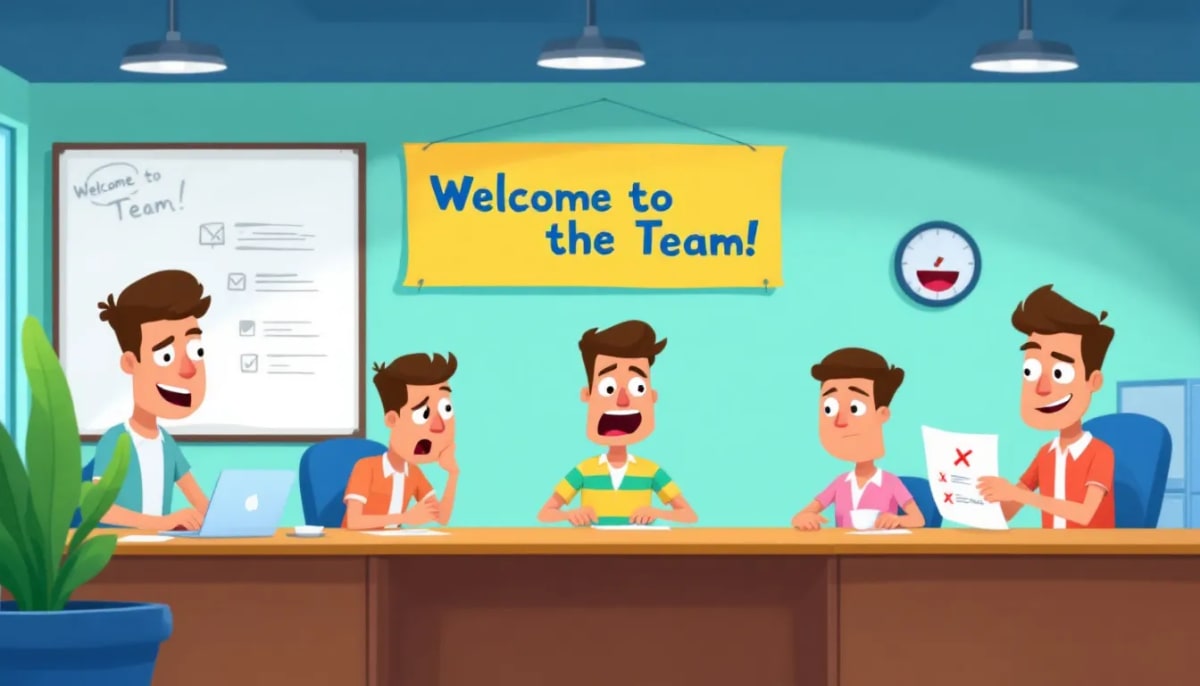
A strong onboarding team process is a strategic investment that directly improves retention, productivity, and engagement. The first six months are especially critical, as they shape how new hires view the company and their role within it. Clear communication around company culture, expectations, and internal processes helps employees ramp up faster and feel confident in their contributions.
Effective onboarding also creates a sense of belonging early on, which reduces early turnover and accelerates performance. When new hires understand how their work fits into broader goals, they become productive contributors more quickly. Establishing career goals during onboarding further strengthens commitment by showing employees a clear path for growth and long-term success within the organization.
Pre-boarding: Setting Up New Hires for Success
The pre-boarding phase starts as soon as a new hire signs the offer letter. This period is crucial for setting the stage for a smooth transition on their first day. A comprehensive employee onboarding checklist ensures that all administrative tasks and orientation activities are completed systematically. An effective checklist maintains consistency and minimizes the risk of overlooking essential tasks in onboarding new employees.
Onboarding software streamlines this process by customizing workflows and content to suit the organization’s needs. In addition, onboarding software provides onboarding resources and a customizable onboarding portal to guide new hires through onboarding steps. This not only simplifies the process for HR teams but also enhances the onboarding experience for new hires.
Preparing Necessary Paperwork
Pre-boarding begins with preparing and managing new hire paperwork in a simple, organized way. Using digital documents and e-signatures reduces delays and eliminates manual back-and-forth. Onboarding and HRIS software help HR distribute forms, track completion, and store records securely. Automated task assignments and reminders keep the process on schedule, ensuring compliance while creating a smoother, less stressful experience for new hires before day one.
Setting Up Workspaces
Setting up a new hire’s office workplace is another critical pre-boarding task. Ensuring that their desk is equipped with all necessary tools and resources, such as a computer, stationery, and ergonomic furniture, can significantly enhance their comfort and productivity while creating a positive work environment.
Similarly, arranging digital workspaces is essential. For example, a dock workspace serves as a collaborative digital environment that centralizes communication and project management for onboarding, making it easier for teams to coordinate and for new hires to access everything they need.
New hires should have:
- Access to all the software and tools they’ll need for their role from day one.
- Digital accounts and access credentials are set up to ensure they are ready to engage and contribute effectively.
- Training on these software platforms to further enhance their confidence and readiness.
Sending Welcome Information
Sending welcome information before day one helps new hires feel confident, informed, and valued. Providing early access to essential details, such as company culture, team structure, policies, and first-week expectations, through a customized employee portal reduces anxiety and accelerates readiness. Automated welcome emails sent after offer acceptance can outline next steps, required tasks, and key contacts, while a scheduled kickoff call builds rapport and clarifies priorities.
Tools like Dock support this process with consistent onboarding templates, and shared resources or quick links give new hires everything they need to start strong and engaged on their first day.
First Day Experience: Making a Great Impression

The first day is all about making a great impression. On the first day, setting expectations and introducing objectives are key goals that require focus and can have a huge impact. Begin by focusing on these elements to create a strong foundation. Onboarding software makes the first day incredibly easy for both HR teams and new hires.
Giving new hires all the necessary information before they start ensures their success right from day one.
Orientation and Training
Orientation sessions introduce new hires to company culture, policies, and expectations, setting the tone for onboarding. User-friendly onboarding tools and regular check-ins help provide clarity, access to resources, and ongoing support.
Social Integration
Facilitating social interactions among new hires helps them feel comfortable and feel connected to their new team members and other team members. These connections can significantly enhance their employee engagement and productivity, as the manager plays a crucial role in fostering these relationships.
Organizing casual interactions like team lunches helps new hires feel welcomed and comfortable, strengthening relationships and supporting team cohesion early on.
Goal Setting
Setting clear expectations for new hires regarding their job responsibilities and how they fit into the company's goals is crucial for their success. This guidance helps new hires align their efforts with the overall objectives of the company.
Discussions about career advancement opportunities during goal setting can further motivate new hires and align their long-term objectives with the company's goals. This dynamic process should adapt as the new hire becomes more integrated into the company culture.
Continuous Support: Beyond the First Day

The first six months are critical for new hires, with 90% deciding whether to stay or go during this period. Continuous support during this time is essential for enhancing retention rates. Ongoing support is also crucial for customer retention, as it helps maintain long-term relationships and reduces churn.
Providing personalized training and development plans tailored to individual roles can further support new hires. A negative onboarding experience is linked to higher turnover and lower morale among employees.
Regular Check-ins
Scheduled regular check-ins provide timely feedback and support for new hires. These meetings allow new employees to address any concerns and ensure they feel heard and supported in their new roles on the schedule.
On-the-Job Training
Continuous on-the-job training and mandatory training are essential for maintaining employee competence and confidence. New hires typically participate in formal training or on-the-job training after orientation.
Providing these continuous opportunities for skill enhancement helps new employees feel more confident in their roles.
Mentorship Programs
Assigning mentors to new hires provides essential support and fosters professional growth. High-performing organizations are more likely to assign mentors during onboarding, demonstrating the importance of these programs.
Utilizing Employee Onboarding Software

Employee onboarding software simplifies how new hires are integrated by automating tasks and reducing manual work for HR teams. Customizable workflows, templates, and onboarding checklists allow companies to tailor the experience to their processes, while integrations with HR systems ensure smooth data flow. Built-in analytics help track key metrics and identify areas for improvement. Unlike general project management tools, purpose-built onboarding platforms are designed specifically for new hire coordination, making the process more efficient and consistent.
Automating Tasks
Automating tasks streamlines onboarding by sending timely reminders, standardizing communication, and reducing errors, freeing HR teams to focus on higher-value work. Tools like Clustdoc automate repetitive steps to improve productivity and workflow consistency.
Personalized Experiences
Personalized experiences come from customizable workflows tailored by role or team, helping new hires feel relevant, supported, and aligned with company culture from day one.
Tracking Progress
Tracking progress is simplified with dashboards and reports that monitor task completion, engagement, and adoption. Platforms like Dock provide analytics and templates to continuously improve onboarding outcomes and ensure that each step is completed efficiently.
Benefits of a Comprehensive Onboarding Program

A comprehensive onboarding program significantly enhances employee satisfaction and engagement. Onboarding software enables HR staff to efficiently manage onboarding tasks, track progress, and support the onboarding journey for each new hire. Investing in onboarding software also enhances efficiency and cultivates a positive company culture by providing access to relevant resources and training materials. Effective onboarding tips can reduce turnover rates and save companies significant costs associated with employee loss.
Furthermore, a well-structured onboarding process accelerates confidence and independence among new hires, leading to quicker productivity. Standardized training ensures all new employees receive essential training uniformly and efficiently.
Self-Serve Resources for New Employees
Self-serve resources have become a cornerstone of an effective onboarding process, empowering new employees to take charge of their own onboarding journey. By leveraging modern onboarding software, organizations can provide a unified platform where new hires can easily access all essential onboarding documents, training materials, and company policies in just a few clicks. This self-serve approach not only streamlines the onboarding experience for employees but also significantly reduces manual processes and the risk of duplicate data entry for HR teams.
With a centralized resource library, new employees can independently complete tasks, submit forms, and review important information at their own pace. This flexibility enhances the overall employee experience, allowing new hires to feel confident and supported from day one. For HR professionals, onboarding software offers robust analytics and progress tracking, making it easy to monitor task completion rates, identify areas where new hires may need additional support, and continuously refine the onboarding process.
By creating a self-serve onboarding environment, organizations can save hours of manual effort, ensure consistency across onboarding workflows, and provide a seamless, user-friendly experience for every new employee. This not only benefits HR teams by streamlining administrative tasks but also sets the stage for long-term employee engagement and success.
Measuring Onboarding Success
Tracking metrics like time-to-productivity and turnover rates is essential for assessing onboarding effectiveness. Conducting new-hire surveys and gathering informal feedback can provide valuable insights into the onboarding process and reveal areas for improvement.
Evaluating the client onboarding process, including different models such as self-serve, high-touch, and low-touch, can help organizations refine their onboarding strategies. Additionally, maintaining a list of frequently asked questions can address common onboarding concerns and improve the overall user experience.
Summary
A strong onboarding process sets the foundation for employee success, driving faster productivity, higher retention, and stronger engagement from day one. Using custom templates, clear checklists, and purpose-built onboarding software helps organizations create consistent, welcoming experiences that reduce friction and set clear expectations early.
Effective onboarding starts with preboarding, including streamlined paperwork, ready workspaces, and proactive communication that prepares new hires before their first day. A well-designed first day focuses on orientation, social connection, and goal setting, while continuous support through regular check-ins, training, and mentorship during the first six months builds confidence and long-term commitment.
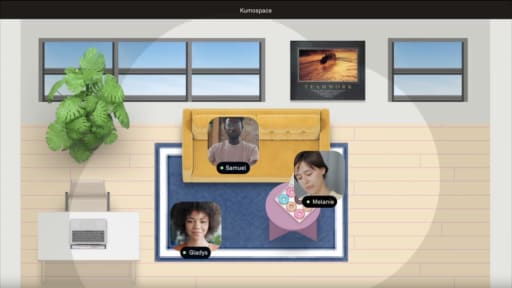
Employee onboarding software plays a critical role by automating tasks, personalizing workflows, tracking progress, and providing self-serve resources that empower new hires and reduce manual work for HR teams. Platforms like Kumospace add a human layer to onboarding by creating interactive virtual spaces where employees and clients can connect, collaborate, and build relationships quickly, especially in remote and hybrid environments.
When onboarding is structured, supportive, and technology-enabled, organizations create a smoother ramp-up experience that benefits both employees and the business.
Kumospace creates an immersive virtual office where new hires can interact naturally with their team, attend onboarding sessions, and ask questions on the fly, just like they would in a physical workplace.
Yes. Kumospace has an intuitive, user-friendly interface that makes it easy for new hires to navigate virtual rooms, join conversations, and participate in onboarding activities without technical barriers.
Absolutely. You can create custom rooms for HR sessions, team meet-and-greets, training modules, or even fun lounges to help new hires feel welcome and engaged from the start.
Kumospace complements your existing onboarding stack. While it may not replace your HR software, it works seamlessly alongside tools like Notion, Google Docs, Slack, or Zoom links to support collaborative onboarding workflows.
Unlike Zoom’s structured meetings or Slack’s text-based threads, Kumospace offers a virtual environment where new hires can move freely, have spontaneous conversations, and feel present in a real-time office setting, helping humanize and accelerate the onboarding process.