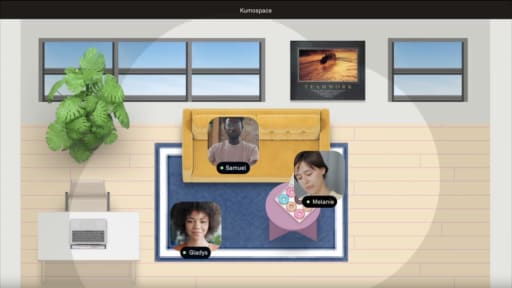
Virtual events have become a core way teams connect, learn, and build community in a remote-first world. Instead of being limited by location, organizations can bring people together in immersive digital environments designed for scale and engagement.
In this guide, we break down what a virtual event is, how it works, and what it takes to plan and host experiences that keep audiences engaged and deliver real results.
Key Takeaways
- Virtual events are digital alternatives to physical gatherings, offering cost-efficiency and global reach.
- Essential components of a successful virtual event include technology platforms, engaging content & speakers, networking opportunities, and effective promotion strategies.
- Event marketing is crucial for promoting virtual events and driving attendance through tactics like email campaigns, social media, and partnerships.
- Event organizers should measure success by setting goals & objectives, budgeting, and analyzing event data to assess ROI and overall performance, as well as identifying trends for future events.
Defining virtual events

Virtual events, also known as online events, are digital alternatives to physical events, enabling virtual attendees from various locations to partake in activities, presentations, and networking opportunities. Virtual events can take on various event formats, such as virtual, hybrid, or live, each designed to maximize engagement and reach. Examples include virtual exhibitions and virtual trade shows, which allow vendors and attendees to interact in immersive online environments through digital showrooms, interactive demos, and networking features. To host a virtual event, event organizers must ensure seamless virtual event technology and engaging content for the next virtual event.
Adapting to the new normal, businesses and organizations have recognized virtual event planning as a valuable skill for orchestrating successful and engaging experiences for attendees.
Types of virtual events
From webinars and virtual conferences to trade shows and hybrid events, there are numerous types of virtual events, each offering distinct features and advantages. Webinars, for instance, are learning-focused, collaborative, and interactive events that have become a popular choice for businesses and educational institutions alike.
Virtual seminars are another type of virtual event, designed for more intimate, topic-specific sessions that focus on in-depth learning and engagement.
Virtual conferences offer flexible, immersive experiences with keynotes, breakout sessions, and on-demand content across multiple tracks. Hybrid events combine in-person and virtual formats to expand reach, supporting external events like conferences and launches, as well as internal meetings and trainings that connect distributed teams while reducing costs.
Advantages and disadvantages
One of the key benefits of virtual events is their cost-efficiency, as they eliminate the need for a physical venue, reducing logistical complexity and costs, as well as expenses for physical venues, catering, and transportation. Additionally, they offer a global reach, enabling event organizers to:
- Connect with a much larger audience than would typically be possible with in-person events
- Reach participants from different countries and time zones
- Reduce travel expenses for both organizers and attendees
- Provide flexibility for attendees to join from anywhere with an internet connection
However, virtual events may experience challenges in terms of engagement, technical issues, and replicating the unique atmosphere and interactive experience of an in-person event.
Essential components of a virtual event
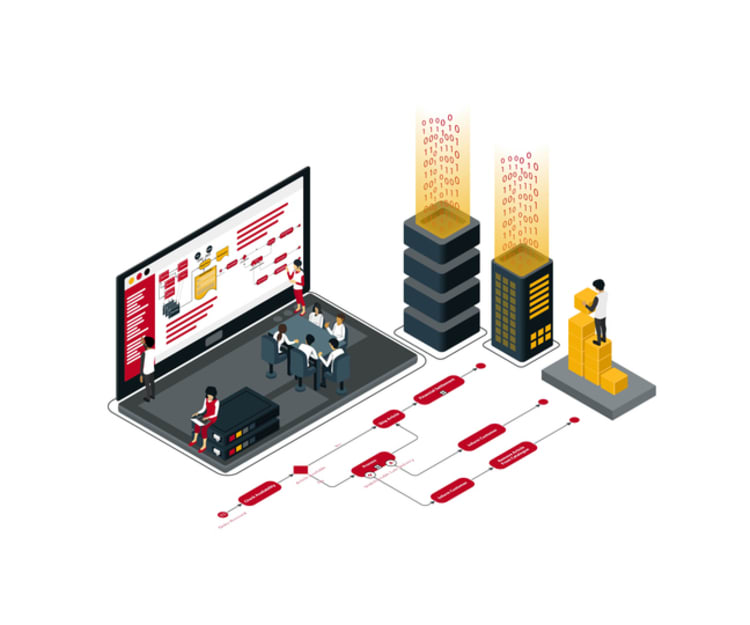
Successful virtual events rely on three essentials: the right technology, engaging content, and opportunities for interaction. Choosing platforms with features like chat, polls, and breakout rooms helps boost engagement and create a memorable experience.
Technology and platforms
The foundation of a successful event lies in the selection of the appropriate webinar platform. Virtual event software provides the backbone for hosting and managing events, offering a suite of tools for registration, engagement, and analytics. Virtual event platforms offer a range of features to facilitate successful events, including live streaming, chat functions, and interactive booths. Choosing the right virtual events platform is crucial for the overall success of your virtual event.
Examples of well-known platforms include Zoom, Microsoft Teams, and Google Hangouts, each offering unique features tailored to different types of virtual events and audience needs. Video conferencing tools are a core component of event tech, enabling seamless communication and interaction during virtual events.
Event tech encompasses all digital solutions used to plan, promote, and execute virtual events.
Content and speakers
Attracting and retaining attendees largely depends on the quality of content and speakers who can deliver valuable information through engaging presentations. To ensure a successful virtual event, event organizers should carefully select content and speakers that are relevant to the audience and tailored to the event's objectives.
By focusing on delivering high-quality content and engaging presentations, organizers can create a captivating virtual event experience that will leave a lasting impression on attendees.
Networking and interaction
The vitality of virtual events lies in networking and interaction opportunities that cultivate connections and engagement among attendees. Virtual event platforms often offer features such as breakout rooms, live Q&A, and matchmaking to facilitate networking and interaction. Dedicated networking sessions are especially important, as they provide structured opportunities for attendees to connect through breakout groups, one-on-one meetings, or themed discussions.
By incorporating these features into the event, organizers can create a dynamic and engaging environment that encourages attendees to actively participate and forge meaningful connections. Strategies such as icebreakers, structured prompts, and informal activities can be used to encourage attendees to get involved. Fostering audience participation through interactive activities and informal engagement opportunities helps create a more comfortable and humanized virtual experience.
Planning and organizing a virtual event

The orchestration of a virtual event requires a clear vision of goals and objectives, effective resource allocation, and strategic promotion to draw in attendees. A successful virtual event relies on a thorough event planning process and careful planning to address logistics, technology, and engagement, ensuring a seamless and inclusive experience for all participants.
By focusing on these elements, event organizers can ensure a smooth and successful event that delivers on its intended outcomes.
Setting goals and objectives
A clear direction and purpose for the event can be established through the setting of specific goals and objectives. By identifying KPIs, such as attendance, engagement, and lead generation, event organizers can track the event's performance and determine areas for improvement.
Establishing clear goals and objectives also supports the planning and organizing process, guiding decision-making and resource allocation to ensure a successful event.
Budgeting and resource allocation

Effective budgeting and resource allocation pave the way for cost management and the success of the virtual event. When creating a budget, event organizers should consider factors such as:
- Technology
- Speakers
- Marketing efforts
- Additional costs associated with the event
By allocating resources effectively, organizers can minimize costs, maximize ROI, and deliver a high-quality event experience for attendees.
Promoting your virtual event
Attracting attendees and driving registrations hinge on strategic promotion of your virtual event. Event marketing strategies, such as email campaigns and social media promotion, are essential for driving attendance. Event organizers can leverage channels like social media, email marketing, and content marketing to reach their target audience and generate interest.
Following good email etiquette, such as writing clear subject lines, keeping messages concise, and including key event details, can improve engagement and encourage more registrations. It’s also important to send pre-event communications with instructions, registration details, and reminders to ensure smooth participation. Using an event hashtag can further boost social media engagement and community building before, during, and after the event.
By utilizing a mix of promotional tactics and tailoring messaging to resonate with the target audience, organizers can increase event attendance and ensure a successful virtual event.
Enhancing attendee engagement

The success of a virtual event is fundamentally tied to enhanced attendee engagement, with audience engagement being a key metric for virtual event success. To keep attendees engaged and the audience engaged throughout the event, organizers should use strategies such as gamification, live Q&A, live polling, social media activities, and messaging apps. These interactive tools help engage attendees, prevent digital fatigue, and maximize participation. Creating an impactful event that energizes and connects participants is essential for fostering meaningful connections and ensuring a memorable experience.
Gamification and interactive activities
Virtual games and interactive activities, such as quizzes, scavenger hunts, and leaderboards, can add excitement and competition to virtual events. By incorporating these elements into the event, organizers can create a fun and engaging atmosphere that encourages attendees to actively participate and immerse themselves in the experience.
Gamification can also help promote attendee engagement and enhance the overall event experience, leading to increased downloads of the mobile event app and positive word-of-mouth.
Live Q&A and polling
Live Q&A and polling are important features for virtual events, as they allow attendees to actively participate in the event, ask questions, and share their opinions. By incorporating live Q&A and polling into the event, organizers can foster engagement and interaction among attendees, creating a more inclusive and collaborative environment.
Tracking engagement metrics, such as session attendance and poll participation, helps organizers measure the effectiveness of these interactive features and understand attendee involvement. These features can also help event organizers gather valuable feedback and insights from attendees, which can be used to refine future events and improve overall event performance.
Post-event follow-up and content repurposing
Maintaining connections with attendees and extending the event’s impact beyond its conclusion are achieved through diligent post-event follow-up and clever content repurposing. Using post-event surveys to collect structured feedback is essential for measuring event success, engaging attendees, and improving future events. By following up with attendees after the event, organizers can gather feedback, address any questions or concerns, and continue to engage with attendees in a meaningful way.
Content repurposing, such as turning event presentations into blog posts or podcasts, can help extend the reach of the event and provide valuable resources for attendees and prospective attendees alike.
Measuring virtual event success

The measurement of virtual event success serves as a critical evaluation tool for organizers to assess their efforts and pinpoint areas for improvement. By identifying key performance indicators (KPIs), analyzing data, and calculating return on investment (ROI), event organizers can gain valuable insights into the event’s performance and make data-driven decisions to optimize future events. Experienced event planners use these data-driven insights to refine their strategies, enhance attendee engagement, and improve the planning and execution of future virtual events.
Identifying KPIs
The performance of a virtual event and potential areas for improvement can be tracked and determined by identifying KPIs like attendance, engagement, and lead generation. By monitoring these metrics, event organizers can gain insights into attendee behavior, engagement levels, and overall event performance, which can be used to refine future events and optimize event strategies.
Furthermore, KPIs can help organizers set clear goals and objectives for their events, ensuring a cohesive and purpose-driven approach to event planning and execution.
Analyzing data and ROI
Insights into the event's effectiveness, cost savings, and overall success, which guide future event planning and strategy, can be gained through data and ROI analysis. By evaluating the costs of the event against the revenue generated, organizers can determine the financial impact of their virtual events and assess whether they are achieving their desired outcomes.
Additionally, data analysis can help organizers identify trends, patterns, and areas of success or failure, which can be used to optimize future virtual events and maximize ROI.
Future trends in virtual events with Kumospace
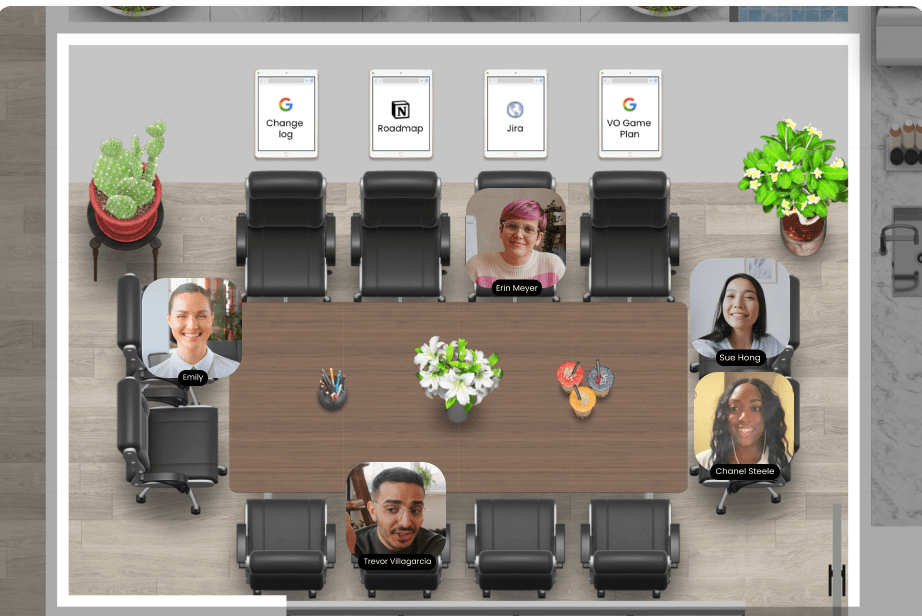
The virtual events industry is rapidly evolving as new technologies reshape how organizations connect with audiences. Integrating virtual components into events has become essential for expanding reach, improving accessibility, and engaging participants from anywhere in the world. Hybrid and remote events are increasingly popular, blending the energy of in-person experiences with the flexibility of online participation. As a result, event organizers are placing greater focus on creating interactive environments that keep virtual audiences engaged and connected.
Leading this transformation is Kumospace, a platform designed to make virtual events more immersive and engaging. With features such as Virtual Events hosting, Video Conferencing, and customizable Virtual Office spaces, Kumospace enables organizers to create dynamic experiences that feel more natural and interactive than traditional video calls. As demand for innovative online events continues to grow, platforms like Kumospace are helping businesses deliver memorable, large-scale experiences that captivate both virtual and hybrid audiences.
Summary
Virtual events are online gatherings that allow people to connect, learn, and network from anywhere in the world. They include formats such as webinars, virtual conferences, and hybrid events, offering benefits like global reach, lower costs, and flexible participation. However, organizers must address challenges like maintaining engagement and managing technical issues.
Successful virtual events rely on the right technology platform, engaging content and speakers, and interactive features such as networking sessions, polls, and Q&A. Careful planning is also essential, including setting clear goals, managing budgets, promoting the event effectively, and ensuring security and risk management.
To maximize success, organizers should focus on attendee engagement through activities like gamification and interactive discussions, while also measuring results through key metrics such as attendance, engagement, and ROI. By analyzing data and applying insights to future events, organizations can continually improve their virtual experiences and create impactful, engaging events.
Frequently Asked Questions
A virtual event is an online experience that allows people to connect and interact remotely over the web, rather than meeting in person.
A virtual event enables individuals to meet, exchange ideas, and do business with people from all over the world via platforms such as Zoom, Microsoft Teams, or Facebook Live.
Attendees join online in real-time for a unique interactive experience.
Live events take place in one physical space, whereas virtual events are accessed online from anywhere.
Hybrid events combine both these formats, with some attendees present in person and some attending virtually.
Incorporating gamification, live Q&A, polls, and interactive activities can create a dynamic environment and encourage active participation from attendees in virtual events.
These activities can help to keep attendees engaged and make the event more memorable. They can also provide valuable feedback to the event organizers.
Technology is essential for hosting successful virtual events, providing the foundation for the event experience with features like live streaming, chat functions, and interactive booths.
These features enable attendees to engage with the event in a meaningful way, allowing them to connect with speakers, ask questions, and participate in activities.
Live streaming allows attendees to watch the event in real-time, while chat functions.