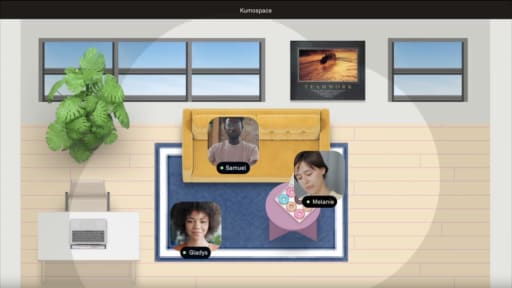
Welcome to the world of effective meetings! You’ve probably wondered why some meetings are successful, engaging, and productive, while others seem to fall flat. One key element that often gets overlooked is the title of a meeting. A well-crafted title for a meeting can be a game-changer, setting the tone, engaging participants, and conveying the meeting’s purpose effectively. Productive meetings are a cornerstone of professional life, enabling teams to achieve their goals and drive business success.
In today’s remote and hybrid work environments, virtual office software like Kumospace has become crucial, transforming the way teams interact and collaborate. But how can we leverage these tools to enhance the meeting experience? The answer lies in crafting effective meeting titles. A clear meeting title helps communicate the meeting's purpose and contributes to productive meetings by guaranteeing everyone understands the objective. Let’s dive into the importance of titles for meetings and how to create them for maximum impact.
Key takeaways
- Crafting an engaging, clear, and well-crafted meeting title is crucial for setting the right expectations, guiding discussions, and outlining objectives, thereby directly influencing the success of meetings.
- Effective meeting titles blend brevity, clarity, creativity, and professionalism while also being inclusive and respectful, thereby engaging participants and encouraging attendance and active contribution.
- Outlining key points in the meeting title or agenda helps assure participants are well-prepared and focused on the main topics of discussion, promoting a more effective and comfortable meeting environment.
- Kumospace enhances virtual meetings by allowing for customized virtual workspaces, fostering collaboration with immersive features, and utilizing advanced people analytics to improve team interaction and optimize virtual experiences.
The importance of meeting titles

A compelling meeting title is pivotal to the success of a meeting. A clear, concise, and well-crafted title can set the right expectations and provide context for what the meeting will entail. This is especially relevant in virtual platforms like Kumospace, where the meeting title significantly shapes the virtual environment. When sending a meeting invite, a descriptive and clear title helps participants immediately understand the meeting's purpose and objectives, setting the stage for a productive session.
An effective meeting title is not only informative but also engaging. A title that clearly conveys the purpose of the meeting and the agenda encourages attendance. This holds particular significance in a business meeting, where the title:
- Attracts attendees
- Injects a sense of anticipation into your calendar
- Guides discussions
- Precisely outlines meeting objectives.
However, the importance of meeting titles goes beyond just setting the tone and engaging participants. They also play a significant role in communicating the intent of the meeting. By accurately describing the purpose of a meeting in the title, you set the stage for a focused and productive discussion. This helps attendees grasp the true intent behind the meeting, confirming that everyone is aligned with the meeting’s objectives right from the start. Poorly chosen or unclear meeting titles in a meeting invite can lead to unproductive meetings, as hosting unproductive meetings is often the result of a lack of clarity about the meeting's purpose and objectives.
So, how do you create an ideal meeting title that establishes the tone, engages participants, and correctly communicates the meeting’s purpose? Here are some effective strategies.
Setting the tone
Setting the tone for a meeting begins with the title. The language you use in your meeting titles can influence participants’ expectations and engagement levels. For instance, a title like ‘Collaboration and Innovation: Unleashing Creativity’ sets a positive and energetic tone, while ‘Strategic Planning: Charting the Course for Success’ has a more focused and goal-oriented tone. Using a memorable title or creative names can also help set the right tone and make your meeting stand out.
But how can you effectively establish the tone using meeting titles in virtual platforms like Kumospace? It largely depends on the language you use. Here are some tips:
- Use words that convey enthusiasm and engagement
- Maintain clarity and conciseness
- Utilize descriptive language that mirrors the meeting’s aim
- Include keywords or phrases relevant to the meeting’s theme or topic
- Tailor the title to the audience or participants
By following these tips, you can create meeting titles that effectively set the tone and engage participants. Depending on your audience, funny meeting names can also be effective for creating a lighthearted atmosphere.
Engaging participants
Engaging participants is another significant element in creating effective meeting titles. An engaging title guarantees attendees are interested and invested in the meeting. This can be achieved by:
- Prioritizing topics
- Setting clear agendas
- Using question-based agendas
- Fostering collaboration (for example, meeting titles that reference group cohesion can encourage teamwork and strengthen team synergy)
- Utilizing asynchronous communication
- Highlighting key talking points
Weekly catch-ups are a great example of meetings where engaging titles can boost participation and help teams reflect, review, and plan effectively.
With Kumospace, you can make your meetings more engaging by crafting titles that capture the group’s attention and foster genuine interest. Remember, an engaged participant is more likely to contribute to the meeting actively, leading to more fruitful discussions and outcomes.
Conveying purpose
Communicating the purpose of a meeting via its title is an art. A well-crafted, focused title sets clear expectations, leading to more effective and engaging conference meetings. When attendees swiftly comprehend the purpose of team meetings, they are empowered to make prompt decisions about their participation in the conference meeting, leading to a more focused and efficient meeting dynamic. Effective agenda management in the meeting title can help keep discussions on track and guarantee that all key topics are addressed.
So, whether it’s board meetings or brainstorming sessions, ensure your meeting agenda accurately reflects the meeting’s purpose. For example, a decision-making meeting should have a title that clearly indicates the decision to be made, a discussion meeting should highlight the topic for open exchange, and planning meetings should specify the project or strategy being developed. This will not only help set clear expectations but also confirm that participants arrive prepared, contribute effectively, and drive the meeting towards its objectives.
Techniques for creating effective meeting titles

Now that we appreciate the significance of meeting titles, let’s examine the methods for creating effective ones. Three key areas to focus on are brevity and clarity, balancing creativity and professionalism, and ensuring inclusivity and respect.
Brevity and clarity in meeting titles are necessary to effectively communicate the purpose of the meeting. A brief and clear title enables potential attendees to swiftly grasp the essential information, empowering them to make informed decisions and save time by declining irrelevant meetings. Sometimes, the best meeting title is just that, simple and to the point.
While conciseness and clarity hold importance, they must be balanced with creativity and professionalism for the greatest impact. A creative yet professional title fosters a combination of engagement and innovation, capturing participants’ attention and contributing to a positive and productive meeting atmosphere.
Lastly, inclusivity and respectfulness in meeting titles aid in creating a welcoming environment for all attendees. It’s important to consider the diversity of your team and to ensure that your meeting titles are respectful and inclusive, fostering a sense of belonging and collaboration. By continuously refining your approach to meeting titles, you can improve meetings moving forward.
Brevity and clarity
Brevity and clarity in meeting titles are imperative. A brief and clear title enables attendees to understand the purpose of the meeting and prioritize their schedules accordingly. Unclear or vague titles can create a meeting problem by causing confusion or disengagement among participants. This can motivate each attendee to learn more about what will be addressed in future meetings.
To master the art of creating brief and clear meeting titles, follow these tips:
- Keep them short
- Include the meeting purpose
- Grab attention
- Add context
A clear and concise title guarantees that everyone understands the purpose and topic of the meeting, preventing them from losing interest or feeling overwhelmed.
Balancing creativity and professionalism

Maintaining a balance between creativity and professionalism in meeting titles can be challenging. However, it’s crucial to capture attention and drive up engagement while upholding the meeting’s relevance and value.
Consider the intent and mood of the meeting and use clear and concise language. For example, sales teams often benefit from both creative and professional meeting titles to maximize engagement and achieve better results. And remember, it’s all about striking that delicate balance between personal expression and meeting objectives. With the right balance, you can create titles that are fresh, engaging, and professional, helping you achieve your meeting goals.
Inclusivity and respectfulness
Inclusivity and respectfulness in meeting titles are necessary to cultivate a welcoming environment for all attendees. By creating inclusive and respectful meeting titles, you can create an environment that is inclusive and respectful to all potential attendees.
This means:
- Being clear and concise
- Showing cultural sensitivity
- Engaging your audience
- Understanding your audience
For example, one meetings, such as one-on-one meetings benefit from personalized, respectful titles that foster open communication and trust between managers and team members.
Remember, an inclusive and respectful meeting title not only fosters a sense of belonging but also encourages active participation, leading to more productive and successful meetings. A well-crafted meeting invitation plays a crucial role in achieving this, and selecting the right meeting names is essential. To initiate this process, send out a meeting request to your team members for the next meeting.
Meeting title examples for different scenarios

Now that we’ve explored the importance of meeting titles and how to craft them, let’s look at some examples tailored to different scenarios. These ideas can inspire creative, clear, and engaging titles for any type of meeting.
- Kickoff Meetings
Start a new project with excitement and energy. Examples: “Project Launch: Journey to Success”, “New Beginnings: Charting Our Path”, “Innovation Unleashed: The Dawn of a New Era”.
Foster collaboration and camaraderie. Examples: “Unity Unveil”, “Team Triumph Talk”, “Cohesion Conference”.
- General Company Meetings
Keep everyone informed with titles like “All-Hands General Meeting”, “Company Update: Q2 General Meeting”, or “Organization-Wide Session”.
- Informal Meetings
Encourage relaxed discussion with titles like “Coffee Chat”, “Open Floor Friday”, or “Casual Catch-Up”.
- Daily Stand-Ups
Emphasize brevity and focus: “Morning Sync”, “Quick Status Round”, or simply “Daily Stand-Up”.
- Quarterly Reviews
Highlight progress and planning: “Quarterly Review: Progress & Planning”, “Q3 Business Review”, “Quarterly Checkpoint Meeting”.
- Problem-Solving Meetings
Address challenges directly: “Solution Summit: Tackling Challenges Head-On”, “Roadblock Resolution”, “Barrier Breakdown: Paving the Path to Progress”.
- Board Meetings
Clarify audience and purpose: “Board Members’ Quarterly Strategy Session”, “Board Members’ Annual Review”.
These examples show that effective meeting titles are clear, concise, and engaging. Remember to balance creativity with professionalism, ensure inclusivity, and always set expectations for your attendees.
Maximizing engagement with Kumospace

Kumospace offers a platform for productive and engaging virtual meetings, but how can we fully utilize its potential to craft a genuinely immersive and collaborative experience? The key lies in utilizing spatial audio, an online whiteboard, and team chat
Boosting team collaboration in Kumospace cultivates a sense of camaraderie and unity, leading to improved productivity and team dynamics. This can be achieved through various features offered by Kumospace, such as immersive virtual workspaces, video conferencing, and instant messaging, which allow for seamless navigation and interaction within virtual environments.
Lastly, using advanced people analytics in Kumospace can offer insightful observations on team interactions and time management, assisting organizations in optimizing their virtual office experiences. By tapping into communication patterns, preferences, and feedback, HR professionals can make data-driven decisions to elevate HR strategies and create a more inspiring and engaging virtual workplace.
Spatial audio
Spatial audio replicates the way sound behaves in the real world. In Kumospace, as participants move closer to or further away from each other within the virtual space, the volume and clarity of the audio change accordingly. This mimics real-life auditory experiences, making conversations more natural and engaging. It allows users to have private conversations in a public space, just like at an in-person gathering, enhancing the sense of presence and personal connection.
Strengthening team collaboration
Strengthening team collaboration in Kumospace fosters a sense of camaraderie and cohesion, improving productivity and team dynamics. By creating a sense of belonging through virtual team-building activities, you can enhance collaboration and trust, ultimately improving workplace culture, employee satisfaction, and strengthening team dynamics.
With Kumospace, you get:
- A realistic virtual office layout
- Video and text chat capabilities
- Screen sharing
- Call recording
- Live subtitles
- Scheduled online meetings
All of these features empower teams to engage and build stronger relationships. Kumospace allows for seamless navigation and interaction within virtual environments, enabling dynamic discussions, workshops, webinars, and seamless collaboration regardless of geographical location.
Advanced people analytics
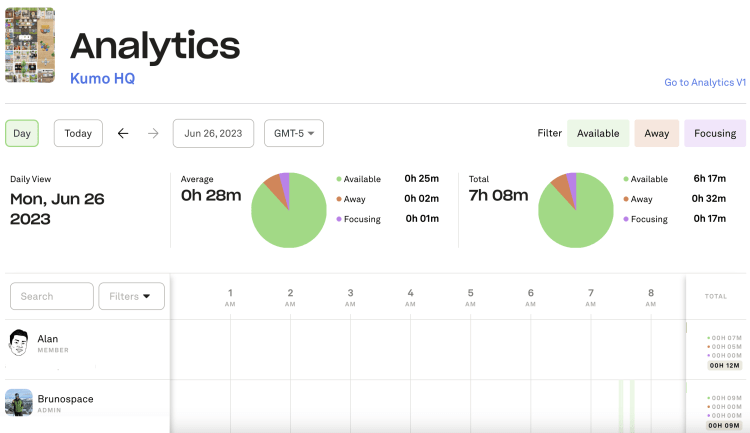
Advanced people analytics in Kumospace provide valuable insights into team interactions and time management, helping organizations optimize their virtual office experiences. By utilizing advanced people analytics, you can experience:
- Increased workforce qualities
- Enhanced collaboration
- Improved decision-making
- Better resource allocation
This can lead to a significant boost in productivity.
People analytics in Kumospace are designed to enhance HR processes and guide you in making data-driven decisions that are perfectly aligned with your business goals.
Crafting the perfect meeting title is a skill that can significantly impact the success of your meetings. From setting the tone and engaging participants to conveying the meeting's purpose, meeting titles play a crucial role in shaping the outcome of a meeting. With the right techniques, such as maintaining brevity and clarity, balancing creativity and professionalism, and ensuring inclusivity and respectfulness, you can create effective titles that foster engagement and productivity.
Summary
A clear, concise, and action-oriented meeting title sets the tone, conveys purpose, and encourages participation. Tailor titles to meeting types; kickoffs, stand-ups, reviews, or problem-solving sessions, and use industry-specific language to boost relevance and engagement. Action verbs like Plan, Review, or Brainstorm help attendees understand their role and prepare effectively.
Virtual platforms like Kumospace enhance meetings with immersive workspaces, spatial audio, and collaboration tools, fostering engagement and team cohesion. The right title, combined with effective tools, guarantees meetings are productive, focused, and memorable.
Frequently asked questions
Title a general meeting by creating a concise and descriptive title that clearly explains the purpose of the meeting in just one line. This will help everyone understand the focus of the meeting right from the start.
Create a title that accurately describes the purpose of the meeting in one line, focusing on clarity rather than trying to make it interesting. By doing so, participants will know what to expect and the meeting will be more productive.
Name the meeting according to its purpose, for example, "Weekly team-building" or "Weekly priority aligning." Choose a name that reflects the main focus of the meeting.
Meeting titles in Kumospace are crucial as they set the tone, engage participants, and convey the purpose of the meeting. A well-crafted title ensures the right expectations and provides context for the meeting. It's essential to make them clear and engaging!
To maximize engagement with Kumospace, strengthen team collaboration and use advanced people analytics to create a conducive and engaging environment for successful meetings. These tools and features are key to enhancing engagement and interaction in Kumospace.