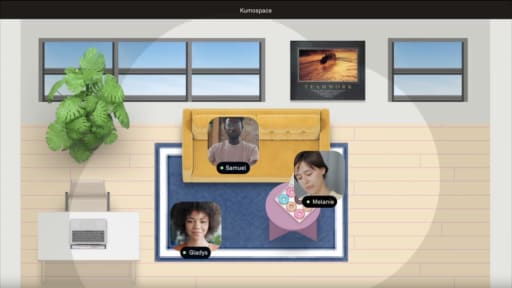
In sales, success depends on building genuine rapport with clients. Rapport is the process of developing trust, understanding, and connection over time, and it’s essential for effective communication and long-term relationships. Asking thoughtful, genuine questions shows interest in the client’s needs, goals, and experiences, helping uncover insights and build trust. By listening closely, setting clear expectations, and staying engaged in the client’s journey, you can strengthen relationships and positively influence sales outcomes.
Key takeaways
- Rapport building is essential for effective communication and sales, as it helps to build trust and lasting relationships.
- Questions used should be tailored to the client's needs, open-ended, and relevant in order to create meaningful connections.
- Strategies such as actively listening can help cultivate strong customer relationships through engaging conversations that foster trust.
The importance of rapport building in sales

Strong rapport is a key component in successful communication and sales, as it nurtures trust, understanding, and enduring relationships with clients. Rapport-building questions enable the salesperson to:
- Establish a personal connection with the potential client
- Deliver a compelling pitch that helps close a sales deal
- Foster a dialogue rather than a one-way conversation, which encourages honest answers.
Showing genuine interest in your clients goes a long way in establishing rapport with customers and fostering proactive customer service. Referencing a client's company achievements, culture, or recent events can help establish credibility and strengthen rapport. Engaging in a meaningful conversation likely enhances customer loyalty and nurtures business relationships that extend beyond mere transactional interactions.
Establishing rapport is not just about asking check-in questions; it’s equally important to actively listen and respond to your clients. In doing this, you showcase your dedication to their needs and foster trust, potentially leading to beneficial outcomes like new business opportunities and loyal customers.
Characteristics of effective rapport-building questions

Effective rapport-building questions should be personalized, open-ended, and relevant to the client’s situation, ensuring genuine connections and meaningful conversations. Asking genuine questions is crucial for building trust and rapport, as it shows a sincere interest in the other person. We’ll explore these characteristics further, understanding their contribution towards fruitful rapport-building efforts.
Personalization
Tailoring questions to the client's background and interests demonstrates genuine interest and helps establish a deeper connection. Asking personal questions, such as their plans for future speaking events, paves the way for mutual exchange and facilitates a deeper connection.
Customizing questions to the client's background and interests not only shows that you are genuinely interested but also helps foster a more meaningful bond. For example, if you learn about the client's city or state, you can engage them in a conversation about local attractions or events, which can create an emotional bond and make your sales pitch more memorable.
Open-ended questions
Open-ended questions encourage clients to share more information, leading to better understanding and a stronger rapport. Asking the right questions can help uncover client needs and foster deeper connections. Examples of good rapport-building questions include: “What is your opinion on this situation?”, “What do you consider to be the optimal solution?”, and “What do you perceive to be the greatest challenge?”.
Asking relevant, respectful questions and actively listening helps build rapport, demonstrate empathy, and strengthen customer relationships in sales.
Relevance and appropriateness
Asking relevant and appropriate questions helps maintain a professional and respectful conversation, avoiding potential discomfort or offense. Relevance and appropriateness are essential for crafting questions that are tailored to the client's individual circumstances, enabling more productive conversations, gathering valuable customer feedback, and delivering high-quality customer service.
For example, if you discover that a client is passionate about their local area, you can ask, “What is the ideal time of year to visit [city/state]?” This question not only shows that you are paying attention to their interests but also demonstrates your willingness to learn more about their personal inclinations and preferences.
Strategies for building rapport in sales

Successful rapport-building strategies include active listening, showing empathy, and using personalized questions to engage clients and address their needs. Developing customer relationships in sales can be achieved through these strategies, which help cultivate trust, understanding, and enduring relationships with customers.
Active listening involves giving clients your full attention and genuinely trying to understand their perspectives. This not only demonstrates empathy but also lays the foundation for a trustworthy relationship. Additionally, using personalized questions to engage clients helps ensure that your sales pitch is relevant and tailored to their unique requirements.
Implementing rapport-building questions strategically in sales conversations can lead to long-term relationships and customer loyalty. By focusing on the client’s needs, maintaining a natural flow, and adapting questions based on the client’s responses, you can foster genuine rapport and a strong working relationship. One effective rapport building question can make all the difference in creating a connection with your client.
21 effective rapport-building questions to connect and build trust quickly

Here’s a list of 21+ rapport-building questions designed to help sales professionals establish rapport, connect with clients, and build trust in a short amount of time:
- How did you get started in your current profession?
- What do you enjoy most about your job?
- What are some challenges you face in your role?
- How do you stay up-to-date with industry trends?
- What’s a recent success you’ve had at work?
- What’s your favorite aspect of living in [city/state]?
- How do you spend your free time?
- What’s on your travel bucket list?
- What’s a book or podcast that has influenced you recently?
- Are you currently working on any exciting projects?
- How do you and your team collaborate on projects?
- What’s your favorite way to unwind after a long day?
- Have you attended any interesting conferences or events recently?
- What’s one thing you wish you knew when you started your career?
- How do you manage work-life balance?
- What’s a goal you’re currently working towards?
- How has your industry changed since you first started working in it?
- What’s something you’re proud of in your career?
- If you could have dinner with anyone, who would it be and why?
- What’s a skill you’d like to learn or improve on?
- How can our product or service help you achieve your goals?
- What advice would you give to someone starting in your industry?
- Where did you go to school, and how did that experience shape your career?
- Do you have kids, and how do you balance work and family life?
- Do you prefer to talk over the phone, video, or email when discussing projects?
- How would you describe the voice or tone of your company’s communication?
- What do you enjoy hearing from your business partners or clients?
- What do you expect from a successful partnership?
- What is something you hope will happen in your career this year?
- What is one thing you realized about your industry after working in it?
- What is something most people misunderstand about your job or industry?
- Are you involved in any company events or industry organizations?
- What do you appreciate most about your company’s culture?
- What is the most helpful resource you’ve found for your professional growth?
- What is something people often forget when starting a new project?
- If you could ask one question to anyone in your field, what would it be?
- What strategies do you use for building relationships with your clients or colleagues?
- Can you share a detailed example of a project you’re proud of?
- What process do you follow when tackling a new challenge at work?
- What are the right questions to ask when starting a new partnership?
- What makes a question feel genuine to you during a conversation?
- How do you develop your professional skills over time?
These questions can serve as a starting point for engaging and meaningful conversations with potential clients, helping you build rapport quickly and effectively.
How to use rapport-building questions in sales conversations

Implementing rapport-building questions strategically in sales conversations is crucial for building trust and lasting connections. Here are some tips to keep in mind:
- Focus on the client’s needs and maintain a natural dialogue. Encourage clients to talk openly and share their thoughts, as this helps foster a comfortable environment.
- Adapt your questions based on their responses.
- Showcase your dedication to their success.
- Cultivate a memorable rapport-building experience.
When engaging with clients, it’s important to ask open-ended questions and actively listen to their answers. Make sure you are truly hearing what the client is saying, not just waiting for your turn to speak. Using a friendly and positive voice during your sales conversations can also help create rapport and make clients feel at ease. This not only helps you better understand their perspectives and beliefs but also allows you to tailor your sales pitch to their unique requirements, increasing the likelihood of a positive outcome.
Avoid rushing through your list of questions. Instead, let the conversation flow organically, allowing clients to share more about themselves and their needs. By focusing on building genuine connections, you can create a strong foundation for long-lasting business relationships.
Avoiding common rapport-building mistakes

Cultivating a strong rapport involves steering clear of common errors such as:
- Rushing the conversation
- Overusing closed-ended questions
- Discussing controversial topics
- Neglecting the client
These missteps can hinder your rapport-building efforts and prevent you from establishing genuine connections with clients.
Instead, focus on actively listening to your clients and asking open-ended questions that encourage them to share more about themselves and their needs. In doing this, you exhibit empathy and understanding, setting the foundation for a prosperous working relationship.
Additionally, ensure that your questions are:
- Relevant and appropriate for your client's unique circumstances
- Demonstrate your professionalism
- Help you avoid causing discomfort or offense
- Potentially harm your chances of building trust and rapport with your clients.
Adapting rapport-building questions for different industries and scenarios

Customizing rapport-building questions to suit various industries and scenarios ensures their relevance and efficacy in various virtual sales contexts. Adapting your questions to meet the distinct needs and interests of your clients allows you to foster more meaningful and engaging conversations that cater to their unique requirements.
Asking about clients’ involvement in industry events or company initiatives helps personalize your questions and build genuine rapport. Tailoring questions to their industry and experiences shows real interest and strengthens the relationship.
Building long-term relationships through rapport-building questions

Using rapport-building questions effectively leads to stronger client relationships, increased loyalty, and repeat business. A single thoughtful question can help establish trust and move the conversation beyond a transactional exchange. By consistently asking meaningful questions and listening carefully, you show genuine interest in your clients’ needs and long-term success. This approach positions you as a trusted partner, deepens connections over time, and helps build a positive, lasting reputation in your industry.
Summary
Building rapport is essential for sales success because it creates trust, understanding, and long-term client relationships. By asking thoughtful, personalized, and open-ended questions and actively listening to the answers, sales professionals can uncover client needs, foster genuine connections, and move beyond transactional interactions. Effective rapport-building leads to stronger communication, increased loyalty, repeat business, and better sales outcomes. When used consistently and adapted to different industries and situations, rapport-building questions position you as a trusted partner and lay the foundation for lasting, meaningful professional relationships.
Frequently asked questions
Rapport building involves four key principles: empathy, authenticity, similarity and shared experience. These are essential for successful customer relationships and are part of the Rain Selling model.
Questions to build rapport with patients include asking what brings them to the appointment, if there is anything that can be done to make the experience easier, what they hope to get out of the visit, and how they feel about it. It is also beneficial to ask about the patient's previous doctor and any recent life events.
Rapport phrases can include positive statements such as “What I'm doing for you now is…”, and expressions of understanding like “Don't worry, I often make that mistake myself.” Additionally, conversation starters such as “How is the weather where you are today? Better than here, I hope!” can be useful for building relationships.
Rapport is composed of attention, empathy and shared expectations. Attention involves active listening and observable and measurable behavioral skills. Empathy involves understanding a person's feelings and shared expectations allows for the development of a mutual trust.
Effective rapport-building questions should be personalized, open-ended and relevant to the client's situation.