As workplaces continue to embrace remote work, virtual meetings have become a vital part of everyday professional life. Excelling in this new norm requires us to master the art of virtual meeting etiquette, fostering a culture of professionalism and courtesy that promotes effective collaboration. Are you ready to elevate your virtual presence and make every online interaction count? Let’s explore 21 essential virtual meeting etiquette tips that will set you on the path to seamless online collaboration.
Key takeaways
- Adhere to best practices such as punctuality, professionalism, and appropriate attire for successful virtual meetings.
- Ensure a strong internet connection with pre-meeting checks, and follow proper etiquette during the meeting by staying engaged & minimizing background noise.
- Post-meeting protocol involves assigning action items with deadlines, collecting feedback from participants & managing breaks in lengthy sessions.
Setting the stage: best practices for virtual meeting etiquette
First impressions matter, even in the virtual world. Establishing good virtual meeting etiquette for any video conference begins with:
- Punctuality
- Presenting yourself professionally
- Joining the meeting early
- Dressing appropriately
- Choosing a quiet area and ensuring good lighting
These actions show respect for other participants and pave the way for a productive session.
Punctuality Is Key: Joining the Meeting Early
How you join a virtual meeting sets the tone for professionalism. Arriving five minutes early demonstrates respect for others’ time and gives you a chance to resolve any technical issues. While waiting for the meeting to start, engage in small talk with fellow attendees to build rapport and foster a more collaborative atmosphere, rather than making the interaction purely transactional.
In small meetings, it's good etiquette to acknowledge when someone just joined, helping to avoid awkward silences and ensuring everyone feels included.
Remember, joining a meeting late can disrupt its flow and leave a negative impression on the meeting host.
Dress code matters: presenting yourself professionally
Dressing professionally for virtual meetings sets the stage for a successful session. Opt for business casual attire that is appropriate for the occasion, and avoid distracting patterns or bright colors.
A polished appearance demonstrates your commitment to the meeting and helps keep participants focused on the conversation at hand.
Mastering the technology: A pre-meeting checklist
For a seamless virtual meeting experience, mastering the technology is key. Effective meeting prep should include setting up AI tools for note-taking or meeting transcription, which can help capture meeting content and streamline follow-up. A strong internet connection and a well-prepared desktop for screen sharing are central to the success of a virtual meeting in a virtual meeting room. Platforms like GoTo Meeting and Microsoft Teams offer transcription and privacy features, helping ensure sensitive information is protected and meeting content is easily accessible.
Secure your connection: ensuring a strong internet connection
A strong and secure internet connection prevents disruptions and ensures smooth communication throughout the meeting. Test your internet speed prior to the meeting using online tools like Speedtest.net, and ensure your connection meets the recommended speed for the video conferencing platform you'll be using.
Screen sharing savvy: preparing your desktop
Before sharing your screen in a virtual meeting, follow these steps:
- Close any unnecessary tabs or applications, especially those that may display sensitive information, to ensure only relevant content is visible.
- Organize your files and folders so you can easily search for and access any documents you may need to share.
- Verify the features of the video conferencing platform you’ll be using, such as Kumospace.
- Familiarize yourself with its screen-sharing capabilities to avoid technical glitches during the presentation.
The heart of the meeting: following proper etiquette
Proper virtual meeting etiquette, also known as online meeting etiquette or etiquette for remote calls, includes virtual meeting etiquette rules such as:
- Active participation
- Maintaining a quiet environment
- Staying engaged
- Minimizing background noise
- Minimize distractions by managing on-camera and audio interruptions
- Stay present and avoid multitasking to maintain focus
Following these guidelines helps keep conversations productive and ensures everyone remains attentive and respectful.
Active participation: staying engaged throughout the entire meeting
Staying engaged throughout the entire meeting demonstrates respect for your colleagues and fosters a collaborative atmosphere. Here are some ways to actively engage:
- Actively listen, even during a dull moment, to avoid missing key information
- Lean forward
- Smile
- Diligently take notes, either with pen and paper or using transcription tools, to stay focused and avoid distractions
If you are in a small meeting with 2-5 participants, be sure to introduce yourself and speak up to encourage communication and prevent awkward silences.
These actions show that you are present and invested in the conversation.
Participation not only enhances the meeting experience but also contributes to the overall success of the team.
Minimize background noise: creating a quiet environment
Maintaining focus and clarity in virtual meetings requires minimizing background noise. Turn off any music, TV, or radio in the background, and request that those around you keep noise to a minimum or leave the room.
Using a quality headset can significantly improve audio clarity and reduce distractions, while relying on your laptop's internal microphone often picks up unwanted keyboard noise and other sounds. Conflicting microphones can cause alien echo noise or even ear-splitting madness, disrupting the meeting for everyone. Keeping your microphone muted when not speaking helps prevent these issues and ensures a smooth, uninterrupted meeting experience for all attendees.
Communication dynamics: speaking and listening online
Effective communication in virtual meetings involves more than just speaking and listening. It's important to ensure everyone can hear clearly for effective communication. Successful online interactions require maintaining eye contact, using appropriate body language, knowing when to start talking, and knowing when to mute yourself. In contrast, an in-person meeting may rely more heavily on physical presence and non-verbal cues. Paying attention during the meeting helps you avoid missing any key information.
Visual engagement: eye contact and body language
Eye contact and body language play a crucial role in creating a more natural and connected virtual meeting experience. Looking at the camera while speaking demonstrates engagement and attentiveness, fostering rapport between participants. Facial expressions also help convey your engagement and make your reactions clear to others.
Likewise, attentive body language, such as sitting upright and nodding, can help convey your interest and commitment to the conversation. Avoid letting your eyes wander or making big extraneous movements, as these can be distracting and may signal a lack of focus or professionalism.
Mute etiquette: knowing when to speak
Knowing when to speak and when to remain silent is a vital aspect of virtual meeting etiquette. Mute your microphone when not speaking to prevent interruptions and background noise. Avoid interrupting someone mid-sentence, as this disrupts smooth communication and shows poor etiquette. If you need to interject, use the platform’s “raise hand” feature or chat function to signal your desire to contribute without disrupting the flow of the conversation.
Meeting flow management: structuring an effective virtual call
An effective virtual call requires:
- Alignment of the agenda
- Organized and relevant meeting content
- Respect for everyone’s schedule
- Effective timekeeping
- Agenda management
These practices lead to a productive meeting that stays on track and respects the time of meeting participants. In hybrid meetings, where some attendees are in-person, and others join remotely, clear structure and virtual meeting etiquette are essential to ensure all participants are included and engaged.
Agenda alignment: getting everyone on the same page
An aligned agenda ensures everyone is on the same page and keeps the meeting focused and efficient. Distribute the meeting agenda in advance, allowing participants to review objectives and come prepared for the discussion.
This promotes a smoother meeting process in the meeting room, enhancing productivity and engagement.
Timekeeping: respecting everyone's schedule
Timekeeping is a crucial aspect of virtual meeting etiquette, as it demonstrates respect for participants' schedules and helps maintain a productive pace during the meeting. Establish a clear timeline for the meeting, and adhere to it as closely as possible.
This ensures that everyone's time is valued and that the meeting remains focused on the agenda.
Post-meeting protocol: wrapping up and follow-up
After a virtual meeting, assign action items, set deadlines, and encourage continuous improvement through constructive feedback. Accurate meeting notes are essential for effective follow-up, ensuring that all participants are clear on their responsibilities and next steps. A model employee is diligent in capturing and reviewing meeting notes, which helps maintain focus and accountability. This post-meeting protocol helps to ensure accountability and fosters a culture of growth within the team.
Action items: assigning tasks and deadlines
Assigning action items and deadlines after a virtual meeting is necessary for maintaining accountability and tracking progress. Here are some steps to follow:
- Clearly define tasks for each participant.
- Establish deadlines for completion.
- This not only keeps the team focused on achieving goals but also helps to measure the success of the meeting.
Feedback loop: encouraging continuous improvement
Encouraging a feedback loop after a virtual meeting promotes continuous improvement and helps refine virtual meeting etiquette over time. Collect feedback from participants and use it to adjust and improve future meetings. This fosters a culture of growth and ensures that your virtual meetings continue to evolve and improve.
Creating More Engaging Virtual Meetings with Kumospace
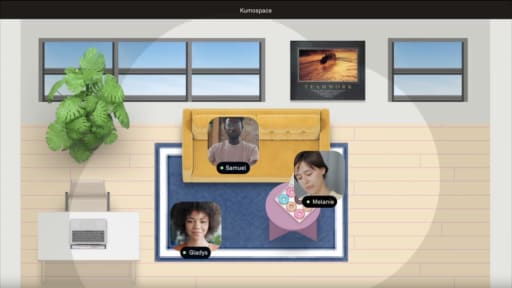
Kumospace helps remote and hybrid teams create more natural and interactive virtual meetings through its virtual office platform, spatial audio, breakout spaces, and customizable room layouts. Instead of static video calls where everyone competes for attention, Kumospace allows participants to move freely between conversations, collaborate in smaller groups, and recreate the flow of in-person interaction in a more engaging digital environment. Teams can use virtual offices, meeting rooms, event spaces, and collaborative lounges to make online communication feel more social, flexible, and connected.
For organizations managing multiple offices or distributed teams, Kumospace also supports stronger collaboration during onboarding, brainstorming sessions, workshops, customer meetings, and daily standups. Features like real-time interaction spaces, customizable environments, and flexible layouts help reduce meeting fatigue while encouraging participation and teamwork. By creating a more immersive virtual workspace, Kumospace helps teams improve communication, strengthen company culture, and make online collaboration feel more dynamic and personal.
Virtual meeting etiquette: special considerations
Beyond the essential virtual meeting etiquette tips already covered, there are special considerations that can enhance your virtual meeting experience even more. For example, always ensure remote attendees are included and engaged, using collaborative tools to foster participation. It's important to stay seated and remain aware of your surroundings and sound levels to maintain professionalism. Avoid sneakily chatting with your work bestie or engaging in any side conversation during meetings, as these distractions are not what help you focus on important business matters. Handling interruptions gracefully and managing breaks during lengthy sessions are crucial aspects of successful virtual meetings, especially when discussing important business matters.
Handling interruptions gracefully
Interruptions are bound to happen during virtual meetings, but how you handle them can make all the difference. If you accidentally interrupt someone, apologize and allow them to finish their thought before speaking again. By managing interruptions courteously, you maintain a professional environment and keep the meeting on schedule.
Breaks and breathers: managing lengthy sessions
Incorporating breaks during lengthy virtual meetings allows participants to recharge, maintain focus, and prevent fatigue. Schedule breaks at regular intervals throughout the meeting, giving participants an opportunity to stretch, grab a drink, or take a mental breather. This not only promotes overall well-being but also helps maintain a focused and productive atmosphere during the meeting.
Mastering virtual meeting etiquette is essential in today's remote work environment. By following these 21 essential virtual meeting etiquette tips, you'll not only elevate your online presence but also contribute to a more productive and collaborative virtual workspace. Embrace these guidelines, and you'll be well on your way to making every virtual interaction a meaningful and impactful one.
Summary
Virtual meeting etiquette plays a major role in keeping remote teams productive, professional, and engaged. Simple habits like joining meetings early, dressing appropriately, minimizing background noise, staying attentive, and following the agenda help create smoother and more collaborative online conversations. Strong preparation, including checking internet connections, organizing screen-sharing materials, and understanding meeting tools, also reduces technical disruptions and improves communication.
Successful virtual meetings also depend on active participation, respectful communication, and clear follow-up after the call ends. Teams should encourage engagement through eye contact, thoughtful listening, and proper mute etiquette while assigning action items and collecting feedback afterward to improve future meetings. Platforms like Kumospace help make remote collaboration feel more natural through interactive virtual spaces, spatial audio, and flexible meeting environments that encourage stronger communication and team connection.
Frequently Asked Questions
Log in a few minutes early, behave as though you were in an in-person meeting, and stay focused on the speaker. When not speaking, mute your microphone for a more professional atmosphere.
To ensure a smooth and successful virtual meeting, it is recommended to join five minutes before the meeting starts.
For virtual meetings, it's advisable to dress in business casual, avoiding distracting patterns or bright colors.
To minimize background noise during a virtual meeting, turn off any music, TV, or radio in the background, request that those around you keep noise to a minimum, and mute your microphone when not speaking.