If you’re searching for “working from home how to,” you’re likely looking for practical ways to stay productive while maintaining balance in your remote work routine. This guide focuses on actionable strategies to help you structure your day, create an effective home office setup, and communicate clearly with your team, all while avoiding burnout. With the right habits and tools, remote work can become both productive and sustainable.
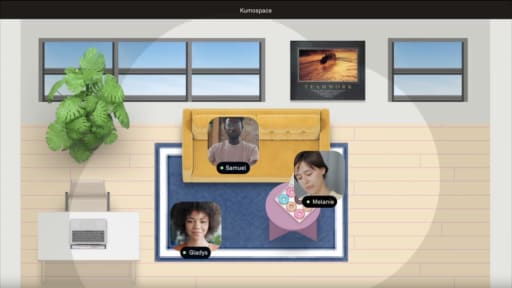
Tools like Kumospace also help teams stay connected beyond simple video calls. Its virtual office software allows distributed teams to collaborate naturally, build culture, and work together from anywhere, making remote teamwork feel more interactive and engaging regardless of location.
Key takeaways
- Develop a personalized and structured routine with SMART goals, prioritized tasks, and effective time management techniques to maximize productivity while working from home.
- Optimize your home workspace with ergonomic setups, minimal distractions, and a personal touch to create a functional environment that fosters focus and efficiency.
- Enhance remote communication and collaboration through the use of technology, building trust among the team, and staying adaptable to overcome time zone differences, ensuring a smooth workflow.
Establishing a productive routine

The first step towards remote work success is to establish a productive routine. It's the framework that keeps your workday structured and optimizes productivity. Some examples of morning routines that can help you transition into work mode are:
- Going for a walk
- Making coffee
- Doing a quick workout
- Meditating
- Journaling
These simple routines can signal the start of your workday and set you up for a productive day of remote work.
But here's the trick: not everyone can fit into the same routine. Experiment with different schedules to find your most productive times of the day.
Goal setting
Setting clear, achievable goals is the backbone of a productive routine. And the SMART goals framework is your best friend here. It helps you set:
- Specific goals
- Measurable goals
- Achievable goals
- Relevant goals
- Time-bound goals
This framework provides a clear path towards success.
Break down larger objectives into smaller tasks or subgoals, and plan buffer times to make them more attainable. Remember, regular review and adjustment of goals is vital to align your efforts with the changing demands of remote work.
Task prioritization
Identifying critical tasks and prioritizing them is the next step in establishing a productive routine. Using a master to-do list helps capture all tasks, and then you can prioritize them based on their deadlines and significance. Techniques like the Ivy Lee method, the ABCDE method, and the Eisenhower Decision Matrix are some effective strategies for task prioritization.
Remember, focusing on tasks that align with your highest-value activities can lead to greater job satisfaction and career advancement.
Time management
Now that you've set your goals and prioritized tasks, it's time to manage your time effectively. Here are some techniques to help you:
- Use project management tools and software with time tracking features to manage workloads and measure productivity.
- Try time blocking, where you allocate specific blocks of time for different tasks.
- Set time limits for tasks to stay focused and avoid spending too much time on one thing.
- Consider using the Pomodoro Technique, which involves working for 25 minutes and then taking a 5-minute break.
By implementing these techniques, you can structure your day and boost productivity.
And don't forget to take regular breaks to recharge your brain and regain focus.
Designing your ideal home workspace

With a productive routine in place, the next step is to create an ideal workspace at home. A designated workspace helps you separate work life from personal life and assists in unplugging after work hours. Your workspace should support specific tasks. For instance, it should be visually appealing for video calls or have a quiet area for focused work. Virtual office spaces like those in Kumospace are designed to simulate real offices and foster collaboration within an immersive virtual environment.
Kumospace offers a stylized, video game-like simulation of a physical office, including features such as chairs, coffee tables, water coolers, and conference rooms. When considering workspace requirements, note that virtual office spaces in Kumospace come in different sizes, typically designed for around 30 people, making it easy to accommodate various team needs.
Make a list of what your dedicated office space at home requires to ensure it’s functional and budget-conscious.
Ergonomic set-up
An ergonomic setup is a key element of a productive workspace. This includes investing in an ergonomic chair with proper back and arm support, adjustable height, and alternative options like stand-up desks. You can also use ergonomic cushions, back supports, and footrests to transform any seating into an ergonomic solution.
Monitor arms, laptop stands, and desk lamps with adjustable brightness support a proper setup for video conferencing, ensuring the right screen height and lighting. This reduces strain on the neck and eyes while maintaining a clear, professional appearance on camera.
Minimizing distractions

Another important aspect of a productive workspace is minimizing distractions. Here are some strategies to consider:
- Use noise-canceling headphones to drown out intermittent household noises.
- Use a white noise machine to create a soothing background sound.
- Arrange your physical space with room dividers or by closing doors to reduce household noise and define a dedicated workspace.
Remember, the elimination of distractions is a key component of effective time management.
Personalizing your space
Last but not least, personalize your workspace to reflect your style. Add personal touches like preferred colors, photos, or artwork. Incorporate houseplants to purify the air and positively affect the mood.
A desktop power station offers convenient access to power for devices, enhancing functionality in your personalized workspace. And don't forget to routinely declutter your workspace to minimize stress and aid concentration.
Enhancing remote communication and collaboration

Effective communication and collaboration are essential for remote work success. Teams often rely on tools like Kumospace, Zoom, Trello, Google Hangouts, and Cisco Webex to stay connected. For example, Kumospace allows users to join meetings as guests, collaborate on virtual whiteboards, and interact in shared digital spaces that help remote and hybrid teams work side-by-side.
Using the right technology, such as project management tools, messaging apps, and video conferencing platforms, keeps teams organized and informed. Regular task updates improve accountability, while quality headphones can enhance focus during meetings.
Strong remote teams also prioritize trust and flexibility. Virtual team-building ideas, celebrating milestones, and clear communication about time zones help maintain engagement. Combining real-time and asynchronous communication ensures collaboration continues smoothly across global teams.
Utilizing technology
Technology is the backbone of remote communication and collaboration. Invest in the right tools and hardware such as:
- Project management platforms
- Design tools
- Team messaging applications
- Video conferencing tools
Regular updates to task statuses within project management software provide visibility into progress and ensure accountability.
Quality headphones, particularly noise-cancelling ones, enhance focus and the quality of communication during virtual meetings and phone calls.
Building trust and rapport
Building trust and rapport is essential for effective remote collaboration. Regular virtual team-building exercises can enhance team bonding. Creating a virtual ‘water cooler’ space allows for casual conversations similar to in-office environments.
Celebrating employees’ personal achievements can deepen trust and engagement within the team. Remember, cultivating relationships among remote workers is possible by celebrating milestones virtually and organizing social interactions.
Overcoming time zone challenges
Time zone differences can be a challenge in remote work, but they can be managed. Transparent communication about time zone boundaries and expectations is crucial in building trust in remote teams. Incorporating asynchronous communication methods like email or shared documents ensures that work progresses smoothly.
Adopting a ‘follow the sun’ model and combining synchronous with asynchronous communication can effectively harness the benefits of having team members in various time zones.
Maintaining work-life balance

Maintaining a healthy work-life balance is crucial in a work-from-home job. Following proper work-from-home etiquette, such as setting clear boundaries, using a dedicated workspace, and minimizing distractions, helps gain respect and establish a healthier remote work-life balance.
Regular breaks are critical for recharging and enhancing productivity. Engaging in activities outside of work, such as:
- hobbies
- exercising
- meeting friends
- other forms of self-care
contributes to creating meaning and improving overall well-being.
Setting boundaries
Setting boundaries is crucial in maintaining a healthy work-life balance. Specific work hours help define clear boundaries between work and personal life. Communicating work schedules to housemates, colleagues, and managers is essential to enforce these boundaries.
Creating a separate workspace allows remote workers to minimize interruptions and mentally transition into work mode. Remember, maintaining a healthy workload by establishing boundaries and refusing additional projects when necessary can prevent professional burnout.
Taking regular breaks and time off is essential for maintaining a healthy work-life balance. Short breaks during the workday help refresh the mind, improve focus, and boost productivity, while activities like stretching or walking can reduce the effects of prolonged sitting.
Using vacation days and mental health breaks also helps prevent burnout. Spending time on hobbies or personal interests can reduce isolation, encourage social connections, and provide a creative reset that benefits both personal well-being and professional performance.
Taking breaks and time off
Regular breaks and time off are important in maintaining work-life balance. Regular breaks during the workday refresh the mind, increase productivity, and enhance problem-solving capabilities. Incorporating physical movements like walking, stretching, or exercise snacks during breaks can mitigate health risks of prolonged sitting and improve mental focus.
Taking scheduled vacation days and mental health breaks is crucial for preventing burnout and prioritizing well-being.
Pursuing personal interests
Engaging in personal interests is also a part of maintaining work-life balance. Hobbies can alleviate feelings of loneliness and isolation by creating opportunities for socialization. Pursuing personal interests can broaden social circles and establish new friendships.
The time saved from not having a commute can be reinvested into hobbies, thereby achieving a better work-life balance. Remember, taking mental breaks to enjoy personal interests can offer inspiration and the chance to recharge creatively, benefiting professional endeavors.
Supporting remote team members
Supporting remote team members starts with clear expectations for meetings, communication channels, and workflows. Flexible schedules can also improve productivity. Tools like Kumospace help keep remote teams engaged with interactive features and collaborative activities.
Providing resources and training
Providing resources and training is one way to support remote team members. Training programs for remote teams should include clear communication of the company vision, roles, and responsibilities. Remote training programs should be flexible, allowing employees to learn at their own pace and according to their own needs.
Offering training opportunities on remote work best practices and collaborative software can enhance the skills of remote team members.
Offering emotional support
Emotional support is another crucial aspect of supporting remote team members. Recognizing signs of burnout in remote employees and intervening with understanding and encouragement can prevent work-related stress. Regular check-ins with remote workers are essential for management to offer empathy and solutions to issues they may be facing.
Creating a supportive environment to address potential isolation and loneliness improves productivity.
Recognizing achievements
Recognizing the achievements of remote team members fosters a positive work culture. Some ways to acknowledge and celebrate their accomplishments include:
- Public acknowledgment of team members' efforts and accomplishments
- Reinforcing positive behavior and building trust within remote teams
- Sharing achievements in broader company meetings or newsletters to offer remote employees visibility and recognition.
Implementing a reward system for task or project completion provides an extra motivational boost. Remember, celebrating employees' personal achievements can deepen trust and engagement within the team.
Adapting to remote work challenges
Remote work brings challenges such as isolation, distractions, and maintaining motivation, but these can be managed with the right strategies. Establishing a daily routine, setting clear goals, and breaking tasks into manageable steps help maintain focus and productivity. Participating in virtual social events, coworking sessions, or online communities can also reduce feelings of isolation and strengthen team connections.
It’s equally important to ensure security and privacy while working remotely. Using secure Wi-Fi connections, strong passwords, and tools like VPNs helps protect sensitive information. With the right habits, communication, and safeguards in place, remote workers and teams can stay productive, connected, and secure.
Dealing with isolation
One of the most common challenges of remote work is dealing with isolation. Remote workers can combat feelings of isolation and loneliness by:
- Participating in virtual social events
- Engaging in online communities
- Joining online forums
- Engaging in virtual coworking sessions with peers
Working in communal spaces like co-working spaces, coffee shops, or libraries can provide a change of scenery and alleviate the feeling of isolation.
Staying motivated
Another challenge in remote work is staying motivated. Here are some strategies to help you stay motivated:
- Establish a morning routine
- Organize the day with clear objectives
- Create a task list
- Break down tasks into manageable chunks to prevent feeling overwhelmed
By implementing these strategies, you can boost your motivation and productivity while working remotely.
Staying connected with work achievements by celebrating milestones, even small ones, provides a sense of progress and motivation.
Ensuring security and privacy
Ensuring security and privacy is another challenge in remote work. Remote workers should use secure Wi-Fi connections and a VPN to protect sensitive information. Creating strong, complex passwords and using multifactor authentication prevent unauthorized account access.
Encrypting sensitive data and emails, and regularly backing up important documents to secure services, maintain confidentiality and business continuity.
Summary
Working from home can be productive and sustainable when supported by the right routines, workspace, and communication habits. Establishing a structured daily routine with clear goals, task prioritization, and effective time management helps remote workers stay focused and organized throughout the day. Creating a dedicated, ergonomic workspace and minimizing distractions further improve productivity and comfort.
Strong communication and collaboration are equally important for remote teams. Using the right technology, maintaining clear expectations, and building trust through regular check-ins help teams stay aligned and engaged across locations. Supporting remote employees with training, recognition, and emotional support also strengthens motivation and team cohesion.
Maintaining healthy work-life boundaries and taking regular breaks prevents burnout and supports long-term well-being. Tools like Kumospace enhance remote collaboration by providing a virtual office where teams can interact naturally, collaborate in real time, and build a stronger remote work culture.
Frequently asked questions
Show your boss your productivity by being reliable, responsive, and present during face time, while avoiding over-communication and taking on unnecessary tasks to create visibility. Happy working from home!
To start working from home, you can talk to your manager about switching to a remote position, find a new remote job, start freelancing, or even begin a home business. It's essential to communicate your expectations with those around you and take clear breaks to maintain a healthy work-life balance. Good luck!
Setting specific work hours, taking regular breaks, and engaging in activities outside of work are key to maintaining a healthy work-life balance while working from home. Prioritize your well-being and schedule in time for relaxation and personal activities.
Establish a morning routine, organize your day with clear objectives and a task list, and celebrate milestones to stay motivated while working remotely. You've got this!
Managing the challenges of remote work involves setting boundaries, investing in proper equipment, providing training, and fostering virtual social connections for a well-rounded work experience. Embrace these strategies to thrive in remote work.